
Did you know that an estimated 1 million Canadians currently live with lymphedema? This condition often leaves people feeling heavy, swollen, and frustrated by a body that feels stagnant. If you’re recovering from a recent surgery or dealing with persistent edema, you likely recognize that uncomfortable tightness that rest alone cannot fix. You might be looking for a lymphatic drainage massage to find relief, but it’s easy to feel overwhelmed by the choice between trendy wellness “detoxes” and actual clinical treatments.
This specialized therapy is a precise intervention designed to move fluid effectively and support your body’s natural healing rhythm. By choosing an evidence-based approach, you can reduce swelling, minimize discomfort, and strengthen your immune health. This guide explores the science behind fluid dynamics, explains when you need a Registered Massage Therapist (RMT) for your care, and provides a clear path toward a faster, more comfortable recovery.
Key Takeaways
- Learn how the gentle, rhythmic technique of a lymphatic drainage massage differs from traditional deep tissue work to effectively move stagnant fluid.
- Understand the science of your body’s one-way drainage network and how it works alongside your circulatory system to maintain health.
- Discover the clinical benefits of this therapy for managing secondary lymphedema and accelerating recovery after cosmetic or orthopaedic surgeries.
- Find out why a professional clinical assessment is essential to ensure your treatment is tailored to your specific health history and recovery goals.
- Explore the advantages of an integrated care model that combines specialized manual therapy with physiotherapy or osteopathy for total wellness.
What is Lymphatic Drainage Massage? Understanding Manual Lymphatic Drainage (MLD)
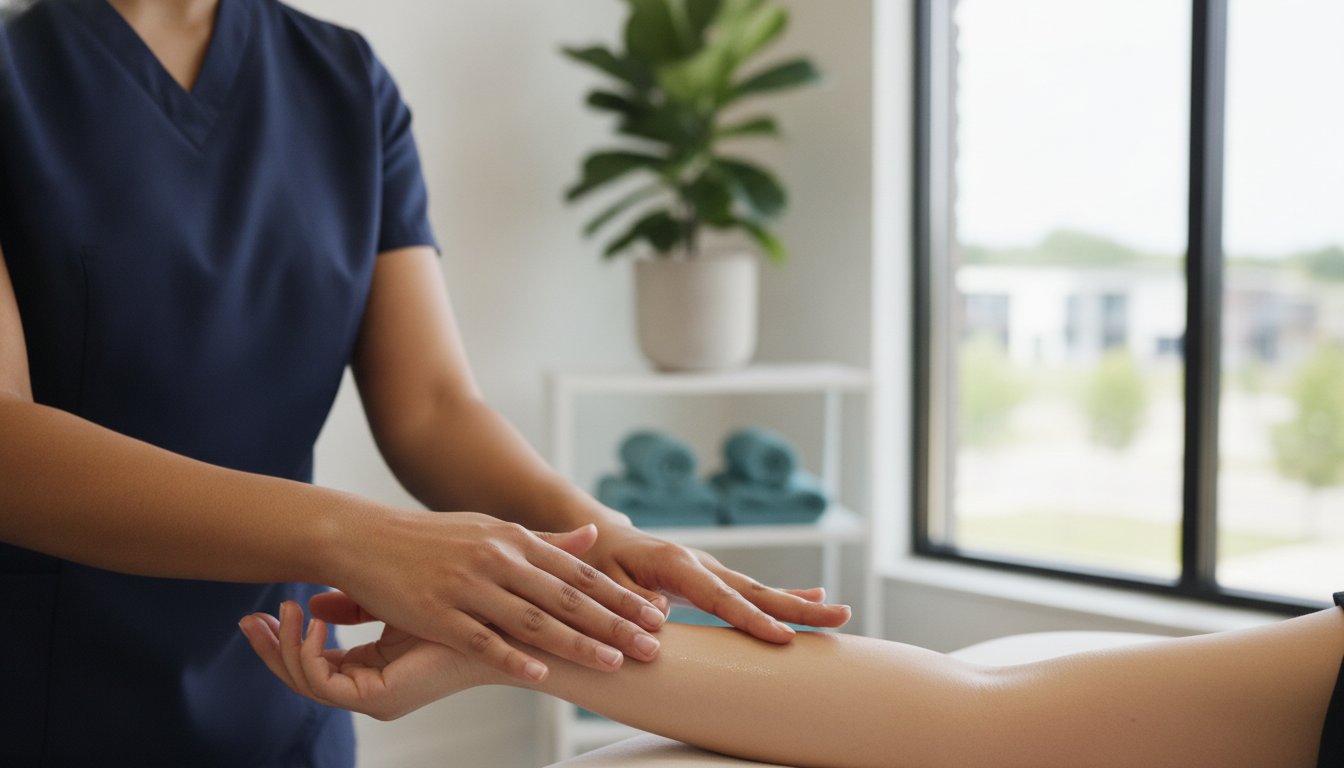
Lymphatic drainage massage is a specialized, evidence-based therapy that focuses on the body’s superficial fluid systems. Unlike a Swedish massage that targets muscle tension or a deep tissue session designed to break down adhesions, this technique is remarkably gentle. The primary goal of this therapy is to encourage the natural drainage of the lymph system, which helps the body process waste and reduce swelling. While the pressure is light, the clinical impact is significant. Practitioners use a rhythmic, mapping-based approach to stimulate the tiny vessels located just beneath the skin’s surface.
A Manual Lymphatic Drainage (MLD) session involves a specific sequence of movements that clear the main lymph nodes before addressing the areas of fluid accumulation. This ensures that the “drains” are open before more fluid is directed toward them. Manual Lymphatic Drainage (MLD) is a rhythmic skin-stretching technique used to redirect lymph fluid. It is an essential tool for patients who feel heavy or sluggish due to fluid retention.
The Origins of the Vodder Technique
The foundation of modern lymphatic therapy was established by Dr. Emil Vodder in the 1930s. He developed a systematic approach that remains the gold standard in clinical environments today. The Vodder technique relies on four basic strokes: stationary circles, the pump, the scoop, and the rotary technique. Each movement is designed to stretch the skin in a specific direction without sliding over it. To achieve this, your therapist performs the treatment without using oils or lotions. This direct skin-to-skin contact allows the practitioner to “grip” the tissue and move it precisely, which is necessary to stimulate the underlying lymphangiomotoricity.
Why Clinical Precision Matters
Precision is the most critical element of a successful lymphatic drainage massage. The lymphatic system does not have a central pump like the heart; it relies on muscle contraction and external stimulation to move fluid. A trained practitioner must identify the correct direction of flow based on your unique anatomy and surgical history. If a therapist applies too much pressure, they risk collapsing the delicate initial lymph vessels, which actually hinders the drainage process rather than helping it. In a clinical setting, “gentle” is a technical requirement for efficacy. By maintaining a light, consistent pressure of approximately 30 mmHg, the therapist ensures the fluid moves efficiently toward healthy lymph nodes for filtration and removal.
The Science of the Lymphatic System: Your Body’s Internal Drainage
The lymphatic system functions as a sophisticated, one-way drainage network that runs parallel to your blood vessels. While your circulatory system is a closed loop driven by the heart, the lymph system is an open-ended path designed to collect and transport excess fluid back into the bloodstream. This fluid, known as lymph, contains proteins, fats, and cellular waste that are too large to pass through capillary walls. Without this vital drainage, your tissues would quickly become waterlogged and stagnant. It’s a silent partner in your health that only demands attention when it stops moving efficiently.
Every day, several litres of fluid leak from your blood capillaries into the surrounding tissue. The lymphatic system gathers this interstitial fluid and directs it through a series of vessels. Along this journey, the fluid passes through lymph nodes, which act as biological filtration centres. These nodes are packed with immune cells that identify and neutralize pathogens before the fluid is returned to your circulation near the heart. Because the system lacks a central pump, it relies entirely on physical movement, deep breathing, and the contraction of skeletal muscles to maintain flow. When these natural mechanisms are insufficient, a professional lymphatic drainage massage provides the external stimulus needed to prevent fluid buildup.
Lymph Nodes, Vessels, and Organs
Your body contains hundreds of lymph nodes, with major clusters located in the neck, armpits, and groin. These clusters are strategically placed to intercept invaders from different regions of the body. Other key components include the spleen and thymus, which play essential roles in filtering blood and maturing immune cells. The vessels themselves are equipped with tiny valves that prevent fluid from flowing backward. This ensures that waste always moves toward the subclavian veins for eventual elimination. If these valves or vessels are damaged, the entire drainage map must be professionally rerouted.
Common Causes of Lymphatic Congestion
Even a healthy system can become overwhelmed by modern environmental and lifestyle factors. Sedentary habits often remove the muscle-driven “pump” the lymph system requires to function. Physical restrictions, such as tight clothing or heavy accessories, can create bottlenecks in the delicate vessels located just beneath the skin. Chronic inflammation is another major factor; it increases the volume of fluid in the tissues while simultaneously making the vessel walls less efficient. When the system becomes overloaded, the result is visible edema or a general feeling of heaviness. Identifying these root causes allows for a more targeted approach to your recovery and long-term wellness.
Clinical Benefits: Who Should Consider Lymphatic Drainage?
While many view lymphatic drainage massage as a luxury wellness treatment, it’s primarily a clinical necessity for individuals managing specific health challenges. This therapy addresses the root cause of fluid stagnation, making it an essential tool for those dealing with both chronic conditions and acute recoveries. An estimated 1 million Canadians suffer from lymphedema, a condition where the system’s capacity to transport fluid is impaired. For these individuals, clinical intervention is not just about comfort; it’s about maintaining limb volume and preventing skin infections.
Patients living with chronic inflammatory conditions like fibromyalgia and rheumatoid arthritis often find significant relief through regular sessions. In these cases, the gentle movement of fluid helps to clear out pro-inflammatory cytokines that accumulate in the tissues, which can reduce overall pain sensitivity. This therapy is also a supportive pillar for the immune system. MLD supports the immune system by facilitating the transport of white blood cells throughout the body, ensuring your natural defences can reach areas of concern more efficiently.
Post-Surgical Recovery and Edema Management
Post-surgical recovery is one of the most common reasons patients seek a lymphatic drainage massage in our community. Whether you’ve undergone a cosmetic procedure like liposuction or an orthopaedic surgery at a local Mississauga hospital, the body’s natural response to trauma is significant swelling. This edema can be painful and may actually slow down the healing process by restricting blood flow to the incision site.
Specialized manual therapy helps to reduce bruising and swelling by rerouting fluid away from the traumatized area. This process is also vital for preventing the buildup of fibrotic scar tissue, which can lead to permanent hardness or restricted movement if left unaddressed. Coordination with your surgeon is essential to determine the optimal start date for treatment. Most practitioners recommend waiting until the primary incisions are closed and any acute risk of infection has passed, typically between two to six weeks depending on the specific procedure.
Wellness and Systemic Benefits
Beyond clinical recovery, many individuals utilize this therapy to improve systemic health. It’s highly effective for reducing puffiness in the face or limbs, which often results in clearer skin and improved vitality. The technique also has a profound effect on the nervous system. Because the strokes are so light and rhythmic, they trigger a parasympathetic response. This shifts the body out of “fight or flight” mode and into a state of deep relaxation, which is a critical environment for any healing process to occur. Whether you’re managing a specific diagnosis or simply feeling sluggish, restoring fluid harmony can significantly improve your daily quality of life.
What to Expect During Your Appointment in Mississauga
Your first visit begins with a thorough clinical assessment and a detailed health history review. This is a critical step in a regulated medical environment. Our practitioners examine your surgical records, current symptoms, and any specific areas of edema to ensure the treatment is safe for you. We check for contraindications, such as active infections or recent blood clots, before any manual work begins. This methodical approach ensures that your recovery plan is both precise and effective.
The treatment environment is designed to be a quiet, professional centre for healing. You will find the room warm and the atmosphere unhurried. Because the lymphatic system responds best when the body is in a relaxed, parasympathetic state, we prioritize your comfort throughout the session. The experience is quite different from a standard massage; you will remain comfortable while the therapist performs very light, rhythmic movements that may feel like a gentle skin-stretching sensation.
After your session, it’s normal to feel a sense of lightness or a slight increase in energy. Some patients notice an immediate reduction in the feeling of “heaviness” in their limbs or a visible decrease in puffiness. You may also experience an increased need to urinate shortly after the treatment. This is a positive sign that your body is successfully processing and eliminating excess fluid. If you are ready to begin your recovery journey, you can book a lymphatic drainage massage at our Meadowvale clinic.
Frequency of care depends on whether your condition is chronic or acute. For post-surgical recovery, we often recommend two to three sessions per week during the first few weeks of healing. Chronic conditions like primary or secondary lymphedema usually require a long-term maintenance schedule, such as one session every few weeks, to keep the system flowing optimally and prevent fluid accumulation.
The Step-by-Step Treatment Process
A typical clinical session lasts between 45 to 60 minutes. We always begin by clearing the “proximal” areas, such as the neck and trunk, even if your swelling is located in your legs. This creates the necessary space for fluid to move toward the main drainage points. Once these pathways are open, the therapist uses specific light-pressure strokes on the affected limbs to redirect lymph toward healthy nodes. This sequence is vital for effective fluid dynamics.
Post-Care and Maximizing Results
Hydration is the most critical part of your post-care routine. Drinking plenty of water helps your kidneys flush out the metabolic waste and proteins released during the session. We also recommend light movement, such as a gentle 15-minute walk, to engage your “muscle pump” and maintain the momentum of the fluid movement. Depending on your assessment, your therapist might suggest the use of medical-grade compression garments to support the tissues and prevent fluid from pooling back into the treated areas.
Integrated Care at TherapyMax: A Holistic Approach to Recovery
At TherapyMax, we recognize that physical recovery is rarely a linear process. While a lymphatic drainage massage is powerful on its own, its effectiveness increases when integrated into a broader clinical plan. Our Meadowvale clinic provides a collaborative environment where practitioners work together to address the root cause of your discomfort. This multidisciplinary approach ensures that every system in your body, from the lymphatic to the musculoskeletal, receives the attention it requires for lasting health. We don’t just treat symptoms; we look at how your body functions as a whole.
Many patients utilize our services following a joint injury or surgery to manage the initial stages of healing. By combining fluid management with physiotherapy for shoulder pain mississauga, we can reduce localized swelling that often limits range of motion. Once the excess fluid is moved, your physiotherapist can more effectively guide you through strengthening exercises without the hindrance of painful edema. Similarly, we often pair fluid drainage with osteopathy for neck pain mississauga. Manual osteopathy focuses on the structural alignment of the body, which helps remove the physical restrictions that cause lymphatic stagnation in the first place.
Why Choose an RMT for Lymphatic Drainage?
Choosing a Registered Massage Therapist (RMT) is essential for receiving safe and effective care in Ontario. RMTs are regulated health professionals who must adhere to strict clinical training requirements set by the College of Massage Therapists of Ontario (CMTO). This accountability ensures your treatment is a therapeutic intervention rather than a simple wellness massage. It’s about technical precision and evidence-based practice. Additionally, most extended health insurance plans in Canada cover services provided by an RMT. This makes it easier for you to access the regular care needed for chronic conditions like lymphedema without facing a heavy financial burden.
Booking Your Consultation in Mississauga
Our clinic is conveniently located in the Meadowvale area of Mississauga, providing a peaceful and professional setting for your recovery. When you arrive for your first visit, please bring any relevant medical documents or a summary of your surgical history. This information helps your therapist design a personalized treatment plan tailored specifically to your health goals. We are committed to being your partner in health, providing the technical expertise and compassionate care you deserve. Schedule your lymphatic drainage assessment at TherapyMax today.
Restore Your Vitality with Clinical Lymphatic Care
Managing post-surgical swelling or chronic lymphedema requires more than just rest; it demands a precise, evidence-based approach to fluid dynamics. A professional lymphatic drainage massage serves as a vital tool for reducing discomfort and accelerating the body’s natural healing process. By clearing the path for lymph flow, you support your immune system and restore physical harmony. This therapy is not merely a relaxation technique but a technical intervention designed to produce measurable results.
At TherapyMax, our Registered Massage Therapists (RMTs) specialize in delivering this gentle yet highly effective therapy within a regulated medical environment. We begin every journey with a comprehensive clinical assessment to ensure your treatment plan is tailored to your unique health history and recovery goals. Whether you are recovering from a recent procedure or seeking relief from systemic congestion, our team in Meadowvale is here to provide the expertise you need.
Taking the first step toward a lighter, more comfortable body is a significant part of your long-term wellness journey. We invite you to book your professional lymphatic drainage session at TherapyMax and experience the benefits of integrated, patient-centered care. You deserve a recovery process that is as methodical as it is compassionate.
Frequently Asked Questions
Is lymphatic drainage massage painful?
No, lymphatic drainage massage is not painful. It utilizes a very light, rhythmic pressure that feels like a gentle skin-stretching sensation. Because the lymphatic vessels are located just beneath the surface of the skin, deep pressure would actually collapse them and hinder the drainage process. Most patients find the session deeply relaxing, often shifting into a restful state during the treatment.
How often should I get a lymphatic massage for the best results?
The frequency of your sessions depends on whether you’re managing an acute recovery or a chronic condition. For post-surgical care, we often recommend two to three sessions per week during the first month of healing. For long-term management of lymphedema, a maintenance schedule of one session every few weeks is usually sufficient. Your therapist will create a personalized plan based on your initial clinical assessment.
Can I perform lymphatic drainage on myself at home?
While you can learn simple techniques for maintenance, professional intervention is necessary for complex fluid management. A Registered Massage Therapist understands the specific mapping of your lymph nodes and can safely reroute fluid around damaged areas. Self-care is a great supplement, but it doesn’t replace the clinical precision of a professional manual lymphatic drainage session, especially after a surgical procedure.
Are there any contraindications for lymphatic drainage massage?
Yes, there are several medical conditions where this therapy is not recommended. These include active infections, acute deep vein thrombosis (DVT), congestive heart failure, and untreated kidney failure. We conduct a thorough health history review during your first visit to ensure the treatment is safe for you. If you have a complex medical history, we’ll coordinate with your physician before starting care.
Will my insurance cover lymphatic drainage massage in Mississauga?
Most extended health insurance plans in Ontario cover this service when it’s performed by a Registered Massage Therapist (RMT). Since our practitioners are regulated by the College of Massage Therapists of Ontario, your treatment is typically eligible for reimbursement. We recommend checking your specific policy details to confirm your coverage limits and whether your provider requires a doctor’s referral for massage therapy claims.
How quickly will I see results after my first session?
Many patients notice a sense of lightness and reduced discomfort immediately after their first session. Visible reductions in swelling or puffiness typically become more apparent within 24 to 48 hours as the body eliminates the processed fluid. For chronic conditions, cumulative results are achieved over a series of treatments. Consistent sessions help to maintain the drainage pathways and prevent fluid from re-accumulating in the tissues.
What is the difference between lymphedema and regular swelling?
Regular swelling, or edema, is often a temporary response to injury or inflammation. Lymphedema is a chronic condition where the lymphatic system itself is damaged or blocked, preventing it from draining fluid properly. While edema often resolves with rest and elevation, lymphedema requires specialized clinical management. This distinction is vital for determining whether you need standard care or a more specialized lymphatic drainage massage.
Should I drink extra water after my massage session?
Yes, you should increase your water intake following your treatment. Hydration is essential because it helps your kidneys process and eliminate the metabolic waste and proteins that were released into your circulation during the massage. We recommend drinking several extra glasses of water over the 24 hours following your appointment. This simple step maximizes the results of your session and helps prevent you from feeling sluggish.
