
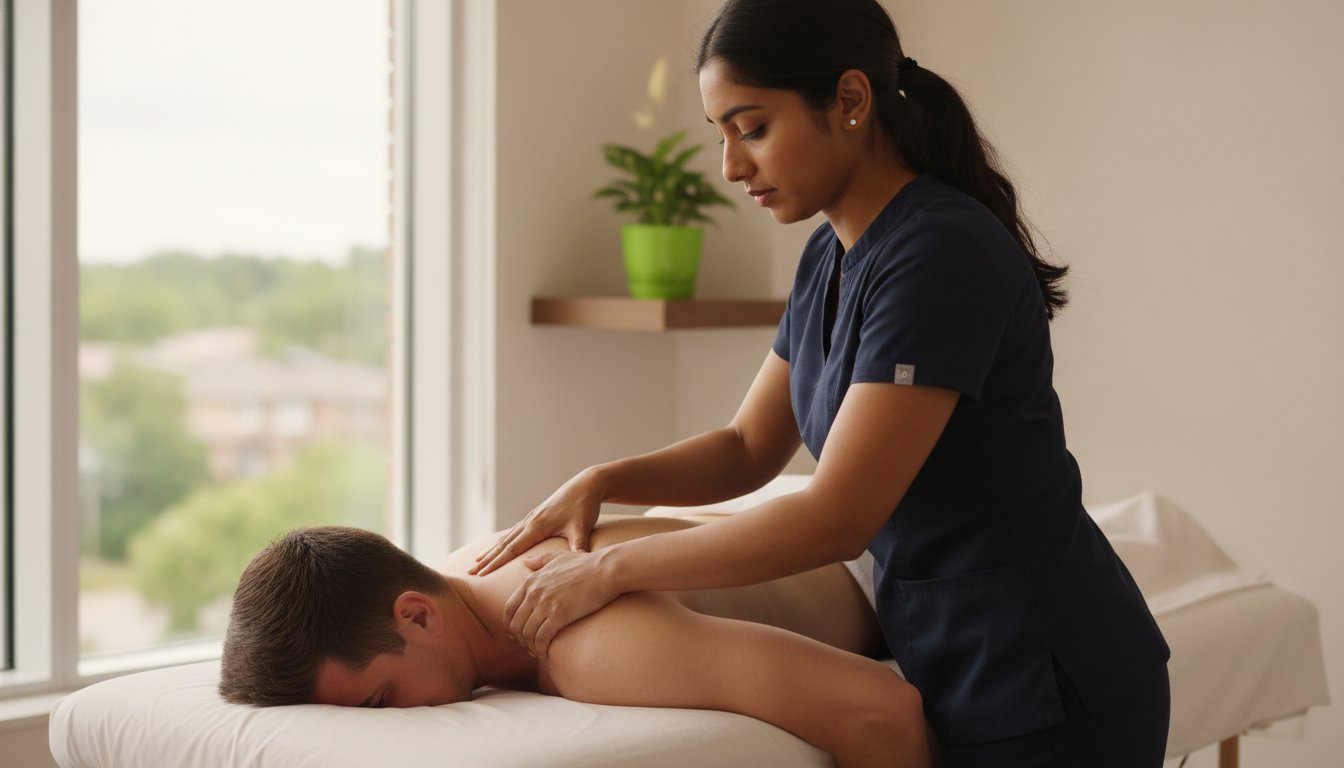
The common belief that a deep tissue massage is simply a standard relaxation treatment with more pressure is a misconception that often keeps people from achieving real physical recovery. You’ve likely felt those stubborn knots in your neck and shoulders that refuse to budge, or perhaps an old sports injury still limits your mobility during your daily routine. It’s frustrating to feel stuck in a cycle of stiffness, especially when you aren’t sure if you need a spa day or a clinical intervention to find genuine relief.
At our Meadowvale clinic, we recognize that true healing requires more than surface-level comfort. This guide explains how deep tissue work targets the root cause of chronic pain by resolving internal adhesions and integrating with therapies like osteopathy for long-term health. You’ll discover the clinical science behind tissue realignment, what a realistic recovery timeline looks like, and how these specific techniques can finally restore your range of motion and reduce the frequency of your pain. We’ll walk through the process of moving beyond temporary fixes toward a state of physical harmony and lasting vitality.
Key Takeaways
- Understand why a deep tissue massage focuses on the realignment of deep muscle layers and fascia through slow, methodical strokes rather than just intense force.
- Learn how clinical techniques identify and resolve adhesions, the restricted connective tissues that cause persistent stiffness and limited range of motion.
- Discover the critical differences between Swedish massage for relaxation and deep tissue work for injury recovery and structural realignment.
- Gain practical advice on managing the “good pain” threshold and why it’s essential to prioritize hydration for your body’s post-treatment recovery.
- Explore how an integrated care model combining massage with manual osteopathy or cupping therapy leads to more sustainable results for chronic pain.
Table of Contents
- Understanding Deep Tissue Massage: More Than Just Firm Pressure
- The Science of Tissue Realignment: How Deep Strokes Resolve Adhesions
- Deep Tissue vs. Swedish Massage: Which Therapy Suits Your Condition?
- Preparing for Your Session: Managing Discomfort and Aftercare
- Integrated Recovery at TherapyMax: Combining Massage with Clinical Care
Understanding Deep Tissue Massage: More Than Just Firm Pressure
A common misconception exists that a deep tissue massage is simply a Swedish massage delivered with excessive force. In a clinical environment, this therapy is actually a highly specific modality designed to realign the deep layers of muscle and fascia. While relaxation is a welcome side effect, the primary intent is structural. We focus on the physiological reasons behind your discomfort, looking at how your body’s architecture has shifted due to stress or injury.
The term “deep” refers to the target tissues rather than the intensity of the pressure. Effective treatment requires slow, sustained strokes that allow the superficial muscles to relax so the therapist can reach the underlying structures. This methodical pace is essential for the medical applications of massage, as rushing the process can cause the body to tense up in a protective response. Our practitioners use their expertise to navigate these layers with technical precision, ensuring the treatment remains therapeutic without crossing the threshold into unnecessary pain.
The Primary Goals of Deep Tissue Therapy
Our Registered Massage Therapists (RMTs) in Meadowvale prioritize results that last beyond the time you spend on the table. The clinical objectives of this treatment include:
- Breaking down chronic adhesions: We target the rigid bands of tissue, commonly known as knots, that restrict movement and cause pain.
- Improving localized circulation: By applying targeted pressure, we help restore blood flow to oxygen-starved tissues, which facilitates the removal of metabolic waste.
- Restoring musculoskeletal balance: The ultimate goal is to encourage the body to return to its natural, neutral alignment, reducing the strain on joints and ligaments.
Who Benefits Most from This Modality?
This clinical approach is particularly effective for those dealing with persistent physical challenges. If you experience chronic back pain or a stiff neck from long hours at a desk, these techniques help release the tension built up in deeper muscle groups. Athletes often require this level of intervention to manage the repetitive strain of training; they frequently alternate this care with a sports massage to maintain peak performance. Office workers in the Meadowvale area also find relief here, as we address the specific postural imbalances caused by modern workspace ergonomics. Many patients find that receiving a deep tissue massage on a regular basis helps prevent the recurrence of chronic tension and maintains their overall mobility.
The Science of Tissue Realignment: How Deep Strokes Resolve Adhesions
When you feel a persistent “knot” that refuses to release, you are likely experiencing an adhesion. These are bands of rigid, painful tissue that act like glue, binding muscles together and severely restricting your natural range of motion. During a deep tissue massage, our therapists identify these specific areas where the muscle fibres have become fused. This binding does not just happen in the muscle itself; it involves the fascia, which is the vast network of connective tissue that envelopes every muscle and organ in your body. When the fascia becomes tight or scarred, it pulls the musculoskeletal system out of alignment, leading to the chronic discomfort many patients feel in their neck and lower back.
Myofascial release serves as the foundation of deep tissue work by applying sustained pressure to eliminate these connective tissue restrictions and restore fluid movement. This process is not just mechanical; it is neurological. When a therapist applies steady, concentrated pressure, it sends a signal to the nervous system to lower its protective guarding. This physiological “reset” allows the muscles to finally let go of long-held tension that standard relaxation techniques cannot reach.
Breaking the Cycle of Chronic Inflammation
Adhesions often create a self-perpetuating cycle of pain and swelling. When tissues are stuck together, they compress nearby blood vessels, which limits the delivery of oxygen and nutrients. Research on therapeutic massage for pain relief suggests that mechanical pressure helps break this cycle by physically unsticking the fibres. Once these fibres are freed, localized circulation increases significantly. This improved blood flow is vital for flushing out metabolic waste products that accumulate in stagnant, tense tissues, effectively reducing inflammation at the source.
Techniques Used by Registered Massage Therapists
Achieving this level of realignment requires specific manual techniques that prioritize depth and control. Our RMTs use a variety of methods to address different layers of the body:
- Friction: This involves applying pressure across the grain of the muscle to realign tissue fibres and break down stubborn scar tissue.
- Striking: Also known as stripping, this technique uses deep, gliding pressure along the entire length of the muscle to lengthen and smooth out the tissue.
- Controlled Depth: Therapists often use their knuckles, elbows, and forearms to maintain the steady, concentrated pressure required to reach the deepest layers without straining the patient.
This methodical approach ensures that every stroke serves a specific purpose in your recovery journey. If you are ready to address the root cause of your stiffness rather than just the symptoms, you can consult with our clinical team to develop a personalized treatment plan focused on long-term mobility.
Deep Tissue vs. Swedish Massage: Which Therapy Suits Your Condition?
Choosing between different modalities depends entirely on your therapeutic goals and your current physical state. While Swedish massage utilizes long, flowing strokes to improve circulation and induce a state of relaxation, a deep tissue massage employs concentrated pressure to reach the sub-layers of musculature. The decision is often guided by your daily activity levels and the nature of your physical labour. A warehouse worker in Mississauga might require structural realignment to manage heavy lifting, whereas a student facing exam stress may benefit more from gentle nervous system regulation. Our Registered Massage Therapists often use a hybrid approach, starting with Swedish techniques to warm the tissue before transitioning into deeper work to ensure the process remains comfortable.
The primary intent of these treatments differs significantly. Swedish techniques focus on the superficial layers of muscle to reduce cortisol levels and boost the immune system. In contrast, deep tissue work is a clinical intervention aimed at injury recovery. For a broader look at the clinical outcomes and physiological impacts of these treatments, you can read more about Deep Tissue Massage: Benefits and What to Expect. Understanding these differences helps you communicate your needs more effectively during your initial assessment.
When to Choose Swedish Massage
Swedish massage is the ideal starting point for those new to massage therapy. It focuses on general stress management and is highly effective for improving sleep quality by calming the sympathetic nervous system. If you are experiencing minor tension or simply need a mental reprieve from a busy week, the light-to-medium pressure of this modality provides significant relief. It’s an excellent choice for maintaining general wellness without the temporary post-treatment soreness that can sometimes accompany more intensive structural work.
When Deep Tissue is the Correct Clinical Choice
For patients dealing with persistent musculoskeletal issues, deep tissue is the more appropriate clinical intervention. It is specifically designed to address chronic conditions that limit your quality of life and restrict movement. For instance, individuals seeking bursitis hip therapy often find that deep tissue work helps release the surrounding tension that exacerbates joint inflammation. It is also the preferred choice for several specific needs:
- Sciatica and Nerve Compression: Managing the radiating pain or numbness associated with compressed nerves.
- Postural Correction: Addressing the “forward head” posture and rounded shoulders caused by prolonged sitting at a desk.
- Chronic Injury Management: Resolving old sports injuries where scar tissue has formed, limiting the natural mobility of the joint.
By identifying the specific “root cause” of your discomfort, we can determine which technique will lead to the most sustainable improvement in your physical harmony. Whether you need a gentle reset or a methodical realignment, our goal is to guide you toward a state of lasting vitality.
Preparing for Your Session: Managing Discomfort and Aftercare
Many patients feel a natural apprehension regarding the physical intensity of a deep tissue massage. It is vital to distinguish between therapeutic discomfort and actual pain. Therapeutic discomfort, often called “good pain,” occurs when a therapist applies pressure to a chronic adhesion or trigger point. This sensation feels productive, as if the muscle is finally being reached and released. In contrast, “bad pain” is sharp, electric, or causes your body to instinctively pull away. If you experience this, it is a signal that the pressure is too high and your muscles are tensing in a protective reflex, which prevents the deep layers from being accessed.
Localized soreness following your session is a clinical indicator of tissue remodeling, signaling that the body is actively repairing and reorganizing the muscle fibres we addressed. You should expect this tenderness to be most prominent during the 24 to 48 hours following your treatment. This is not a sign of injury but rather a part of the physiological recovery process. During this window, your body is working to resolve the inflammation that was previously trapped in stagnant tissues.
Hydration plays a critical role in how your body handles this recovery phase. A deep tissue massage encourages the movement of metabolic waste products out of the muscles and into the circulatory system. Drinking plenty of water helps your kidneys process and flush these substances more efficiently. If you remain dehydrated after a session, you may experience a “heavy” feeling or increased fatigue as your system struggles to clear these by-products.
Communication During the Treatment
Honesty is the most important tool you have during your session. We encourage patients to use a pain scale of 1 to 10 to guide the therapist. A level of 7 is generally the “sweet spot” where the work is deep enough to be effective but light enough that you can remain relaxed. You should also focus on deep, rhythmic breathing. Holding your breath limits the oxygen reaching your tissues and signals your nervous system to stay in a state of high alert, which makes tissue realignment more difficult to achieve.
Post-Treatment Recovery Tips
You can manage post-massage soreness with simple at-home strategies. Many patients find that a warm bath with Epsom salts helps soothe the nervous system and provides magnesium to tired muscles. Depending on the nature of your discomfort, you might alternate between heat to encourage blood flow and ice to reduce localized swelling in specific joints. Gentle stretching is also recommended to maintain the new range of motion gained during your session. If you have questions about your specific recovery needs, you can book an initial assessment at our Meadowvale clinic to speak with a Registered Massage Therapist.
Integrated Recovery at TherapyMax: Combining Massage with Clinical Care
TherapyMax operates as a multidisciplinary health centre in Meadowvale, moving beyond the isolated treatments often found in traditional spas. We believe that a deep tissue massage achieves its greatest potential when it’s part of a broader, clinical recovery plan. By integrating massage with other healthcare disciplines, we address the root causes of dysfunction from multiple angles. This collaborative environment ensures that your treatment isn’t just a temporary reprieve but a building block for long-term physical health.
To enhance the efficacy of our structural work, we often incorporate specialized modalities. For instance, cupping therapy can be used to create negative pressure, pulling blood into stagnant tissues and lifting the fascia away from the muscle. Similarly, incorporating a hot stone massage into your session allows the heat to penetrate the superficial layers first. This thermal preparation makes the deeper muscles more pliable, allowing the therapist to achieve realignment without the need for excessive force.
Massage and Physiotherapy: A Powerful Duo
Massage therapy serves as an essential precursor to active rehabilitation. When a patient is in pain, the body naturally creates guarding patterns that limit the effectiveness of active rehab exercises. Our RMTs work to reduce this guarding, which allows the physiotherapist to guide you through more effective movements. Because our team shares data and tracks your progress collectively, your recovery timeline for sports or workplace injuries is often significantly accelerated. This collaborative approach ensures that the mobility gained on the massage table is immediately reinforced through specialized physiotherapy exercises.
Complementing Osteopathic Manual Therapy
Deep tissue work also provides critical support for osteopathic manual therapy. By addressing soft tissue tension and adhesions first, our therapists create a more receptive environment for the joint mobilizations performed during an osteopathy session. This holistic strategy often combines the technical precision of Western clinical massage with the restorative principles of Ayurvedic treatments, ensuring both physical realignment and a sense of internal peace. Our Meadowvale centre is designed to be a safe harbour for those seeking this level of comprehensive care. Booking your clinical assessment with our team is the first step toward a personalized recovery plan that values long-term well-being over quick fixes.
Your Path toward Lasting Physical Harmony
Finding relief from chronic pain requires a shift from temporary fixes to structural realignment. By understanding how slow, methodical strokes resolve deep-seated adhesions, you can move beyond persistent stiffness and reclaim your natural range of motion. Our Meadowvale-based Registered Massage Therapists prioritize technical precision and patient-centered warmth to ensure your recovery is both effective and sustainable. We look at the root cause of your discomfort, integrating a deep tissue massage with physiotherapy and osteopathy to support your body’s unique healing process.
This multi-disciplinary approach provides a safe harbour for those seeking to restore physical harmony and long-term vitality. Whether you are managing an old sports injury or the repetitive strain of office work, our team is dedicated to guiding you toward a life with less pain and more mobility. Book your professional Deep Tissue Massage at our Mississauga clinic today and take the first step toward a healthier version of yourself. We look forward to supporting your journey toward better health and a more active, comfortable lifestyle.
Frequently Asked Questions
Will a deep tissue massage cause bruising?
Minor bruising is not a standard goal of treatment, but it can occur in some individuals with sensitive skin or those taking certain medications. Our RMTs use slow, sustained strokes to minimize this risk and ensure the pressure remains therapeutic. If bruising does appear, it typically resolves within a few days. We encourage you to disclose any history of easy bruising or the use of anticoagulants during your initial assessment to ensure your safety and comfort.
How often should I get a deep tissue massage for chronic pain?
The frequency of your sessions depends on the severity of your condition and your specific recovery goals. For persistent chronic pain, we often recommend receiving a deep tissue massage once every one to two weeks during the initial phase of your recovery. As your mobility improves and your pain frequency decreases, we transition to a maintenance schedule of once a month. This methodical approach ensures your musculoskeletal system remains in alignment over the long term.
Can I get a deep tissue massage if I have a high pain tolerance?
You can certainly receive deep tissue work if you have a high pain tolerance, but it is important to remember that more pressure does not always lead to better results. The goal is to reach the deep muscle layers without triggering a protective guarding response. Even if you do not feel significant discomfort, your therapist will focus on the physiological release of adhesions rather than simply applying maximum force to satisfy a preference for intensity.
Is deep tissue massage safe during pregnancy?
Deep tissue techniques can be safe during pregnancy, but we typically recommend our specialized Prenatal Massage for expectant mothers. Our RMTs are trained to adjust positioning and pressure to ensure the safety of both parent and child. It is essential to consult with your healthcare provider before booking, especially if you have a high-risk pregnancy. We prioritize your comfort and safety in every clinical session to provide a safe harbour for your recovery.
How long does the soreness typically last after a session?
Post-treatment soreness typically lasts between 24 and 48 hours as your body undergoes tissue remodeling. This sensation is similar to the delayed onset muscle soreness you might feel after a challenging workout. You can manage this tenderness by staying hydrated and using gentle heat or Epsom salt baths as discussed in our aftercare guide. If soreness persists beyond three days, we suggest contacting your therapist to discuss your recovery progress and adjust future treatments.
What should I wear to my deep tissue massage appointment?
You should wear comfortable, loose-fitting clothing to your appointment to make the transition to the treatment table easier. During the session, you will be professionally draped with sheets, and only the area being worked on will be exposed. Most patients choose to undress to their level of comfort, but our therapists can also perform specific techniques through lightweight clothing if you prefer. We focus on creating a respectful and clinical environment for all patients.
Can deep tissue massage help with tension headaches?
Yes, deep tissue work is highly effective for resolving tension headaches by addressing the root cause in the neck and shoulders. We focus on the sub-occipital muscles and the upper trapezius, where chronic tension often triggers radiating pain to the head. By releasing these deep muscle layers, we can reduce the frequency and intensity of your headaches. This treatment helps restore your sense of peace and daily focus by eliminating the structural triggers of your discomfort.
What happens if the pressure is too much for me during the session?
If the pressure feels overwhelming, you should inform your therapist immediately so they can adjust their technique. Effective therapy requires your nervous system to remain relaxed; fighting against the pressure will hinder the realignment process. Our RMTs prioritize your feedback and will use the 1 to 10 pain scale to ensure the intensity remains within a therapeutic and productive range. Open communication is the foundation of a successful and patient-centered treatment plan.