
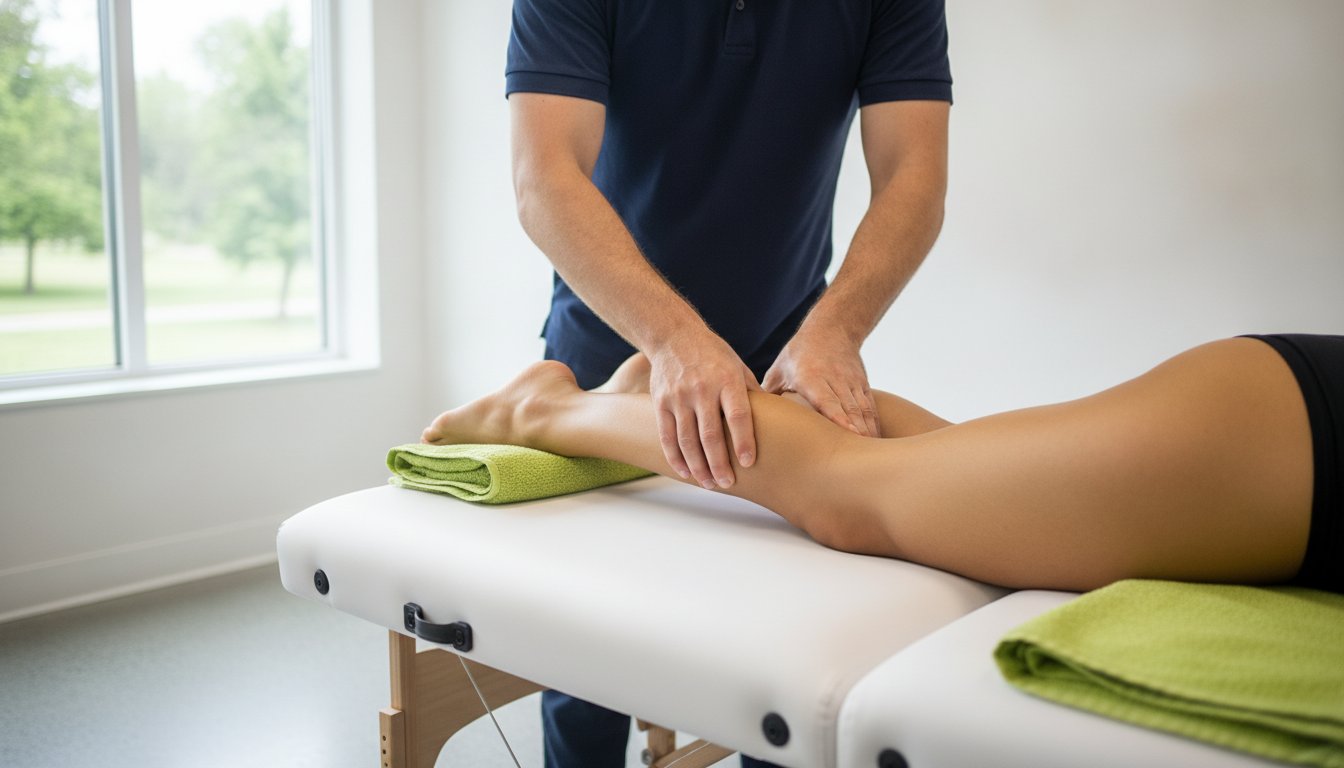
Imagine finishing a personal best run through the trails of Meadowvale, only to realize the next morning that your legs feel like lead and every movement brings a sharp reminder of yesterday’s effort. It’s a common frustration for active Mississauga residents who push their physical limits but find their recovery periods struggling to keep pace with their ambitions. While many athletes try to simply power through the stiffness, a targeted sports massage acts as a functional maintenance tool that bridges the gap between intense training and long-term physical health.
We recognize that dealing with delayed onset muscle soreness or a restricted range of motion can be incredibly discouraging, especially when the fear of injury starts to limit your peak performance. You deserve a recovery plan that is as disciplined as your workout schedule. This guide explains how sports massage therapy can help you achieve faster recovery times and improved flexibility so you can stay consistent with your goals. We will examine the physiological benefits of treatment, how it differs from other techniques, and the best ways to integrate professional care into your local fitness routine for lasting results.
Key Takeaways
- Sports massage is a clinical soft tissue therapy designed for anyone with an active lifestyle, helping to maintain physical harmony regardless of your fitness level.
- Discover how specific techniques accelerate recovery by improving local blood circulation and supporting the lymphatic system’s ability to clear metabolic waste.
- Learn the key differences between sports-focused treatments and standard relaxation options to better align your therapy with your training goals.
- Identify the optimal timing for your sessions to maximize benefits, from stimulating muscles before an event to maintaining performance during multi-day activities.
- Explore the advantages of a collaborative recovery model that integrates massage with physiotherapy and manual osteopathy at our Meadowvale centre.
What is Sports Massage? Understanding the Clinical Approach
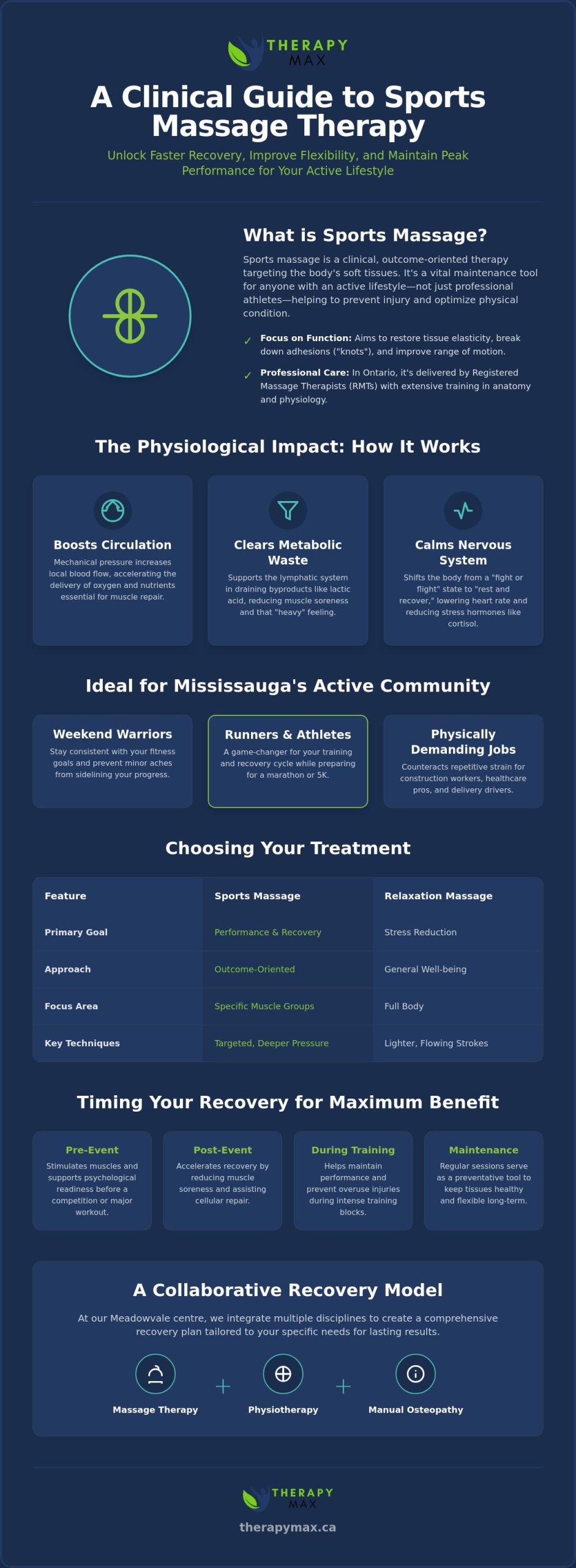
Sports massage is a clinical approach to manual therapy that targets the soft tissues of the body to support an active lifestyle. It’s a common misconception that this service is reserved strictly for professional athletes or Olympians. In reality, it serves as a vital maintenance tool for anyone who subjects their body to repetitive physical stress. Unlike general relaxation treatments, this modality is outcome-oriented. It focuses on the specific physiological needs of the individual, whether they are training for a competition or managing the physical demands of a busy career.
In Canada, and specifically within Ontario, “Registered Massage Therapist” (RMT) is a protected title. When you visit a clinic for treatment, you are engaging with a healthcare professional who has completed extensive training in anatomy, physiology, and pathology. This clinical background allows the therapist to assess your movement patterns and identify the root cause of your discomfort. Because RMTs are regulated by the College of Massage Therapists of Ontario (CMTO), you can trust that your care meets high professional standards. Many residents also find that their private insurance plans cover the cost of these sessions, making it an accessible part of a long-term health strategy.
The Key Goals of Athletic Therapy
The primary objective of this therapy is to optimize the condition of your muscles and connective tissues. By reducing excessive muscle tension, a therapist helps restore natural tissue elasticity. This is essential for preventing the stiffness that often follows intense exercise. Another critical goal involves breaking down adhesions, which many people call “knots.” These are areas where muscle fibres have become stuck together due to repetitive strain or minor injuries. Addressing these adhesions improves local blood flow and restores a full range of motion. Finally, the treatment supports psychological readiness. It helps calm the nervous system, allowing you to approach your next physical challenge with a focused and relaxed mindset.
Who Can Benefit from Sports Massage in Mississauga?
Mississauga is home to a diverse community of active individuals who can benefit from professional soft tissue work. Weekend warriors who frequent local fitness centres often find that regular sessions help them stay consistent with their training without being sidelined by minor aches. If you are a runner preparing for a local marathon or a community 5K, this therapy can be a game-changer for your recovery cycle. It is also highly effective for those in physically demanding jobs. Construction workers, healthcare professionals, and delivery drivers all experience repetitive strain that mirrors the physical load of an athlete. Seeking care in a local setting like Meadowvale ensures that your recovery is convenient and tailored to your specific environment. For many of these active professionals and enthusiasts, maintaining their vehicle’s performance is just as important as their own; to find quality parts, visit MTX Performance for a wide range of automotive accessories.
The Physiological Impact: How Sports Massage Supports the Body
Sports massage creates a mechanical pressure that directly stimulates local blood circulation. This increased flow accelerates the delivery of oxygen and essential nutrients to tired muscle tissues. When muscles receive these resources more efficiently, the cellular repair process begins sooner after a workout. This mechanical action also helps to warm the tissues, making them more pliable and receptive to deeper therapeutic work. It’s a foundational step in ensuring the body can handle the cumulative stress of regular exercise.
The rhythmic strokes used during a session also support the lymphatic system. This system is responsible for clearing metabolic waste products, such as lactic acid and other chemical byproducts, that accumulate during intense physical activity. By assisting this natural drainage, the therapy helps reduce the “heavy” feeling in the limbs that often follows a long run or a heavy lifting session. Efficient waste removal is a key factor in preventing the sluggishness that can derail a consistent training plan. For those seeking to optimize these internal processes, integrated recovery at TherapyMax offers a clinical approach to tissue health.
Physical training often keeps the body in a sympathetic state, commonly known as “fight or flight.” Professional manual therapy encourages a transition into the parasympathetic nervous system, which is the state where true recovery and tissue regeneration occur. This shift lowers the heart rate and reduces the presence of stress hormones like cortisol. By calming the nervous system, the body can better prioritize the healing of micro-tears in the muscle fibres. Myofascial release is another critical component of this process. It involves applying sustained pressure to the fascia, the connective tissue surrounding your muscles, to ensure it remains fluid and non-restrictive.
Improving Range of Motion and Flexibility
Registered Massage Therapists use a combination of stretching and compression to enhance joint mobility. These techniques help to lengthen muscle fibres and improve the pliability of the surrounding connective tissues. Maintaining optimal muscle length is a primary factor in long-term injury prevention. When joints can move through their full intended range without restriction, the body operates more efficiently. Specifically, sports massage reduces the risk of muscle tears by improving the overall elasticity and resilience of the soft tissues.
Managing Delayed Onset Muscle Soreness (DOMS)
Most active individuals have experienced Delayed Onset Muscle Soreness (DOMS). This is the stiff, aching sensation that typically peaks 24 to 48 hours after an unfamiliar or heavy workout. It is caused by microscopic damage to the muscle fibres and the resulting inflammatory response. Targeted manual therapy can significantly reduce the intensity and duration of this soreness. By managing local inflammation and improving fluid exchange, athletes can achieve faster return-to-play timelines and maintain their progress without unnecessary downtime.
Choosing Your Treatment: Sports Massage vs. Other Modalities
Selecting the right therapeutic approach is essential for achieving your specific health goals. While many people use the term “massage” to describe any manual therapy, the intent behind a sports massage is what truly sets it apart. A Registered Massage Therapist (RMT) selects techniques based on the biomechanics of your specific activity. For example, a swimmer requires different shoulder mobility work than a cyclist who spends hours in a hunched, aerodynamic position. The therapist assesses how you move to ensure the treatment supports your functional needs.
Deep tissue massage is often confused with sports-focused therapy because both use firm pressure. However, deep tissue is a more generalized approach to releasing chronic tension in the deeper layers of muscle. In contrast, sports therapy is highly targeted. It addresses the specific muscle groups that you use most frequently in your training. Your therapist may also incorporate active or passive stretching during the session to improve tissue length. This specificity ensures that the work done on the table translates directly to better performance in your sport.
It’s a common belief that therapeutic work must be painful to be effective. While you may experience some discomfort when a therapist works on a “knot” or a restricted area, the intensity is always managed for your benefit. Effective therapy should feel like “productive work” rather than sharp pain. Open communication with your RMT ensures the pressure remains within your tolerance while still achieving the desired physiological outcome. This collaborative approach makes the treatment a safe harbor for recovery rather than an added stressor on the body. For athletes dealing with persistent knots that are difficult to reach through compression alone, cupping therapy in Mississauga offers a complementary decompression technique that lifts and separates tissue to access deeper layers of tension.
Sports Massage vs. Swedish Massage
The primary difference lies in the goal of the session. A swedish massage is primarily designed for relaxation and stress reduction. It uses long, flowing strokes and a steady rhythm to calm the nervous system and improve circulation. While this is beneficial for overall well-being, it doesn’t always address the functional restrictions an athlete faces. You should choose Swedish for a rest day when your main goal is mental peace. Choose sports therapy when you need to address specific stiffness or prepare for an upcoming event. Athletes who find standard pressure insufficient for their chronic muscle tension may also benefit from exploring hot stone massage in Mississauga, which uses therapeutic heat to soften stubborn soft tissue and reach deeper layers of tension without requiring intense manual pressure.
The Synergy with Physiotherapy
Manual therapy works best when it’s part of a comprehensive recovery plan. We often use massage to prepare the soft tissues for more intensive rehabilitation exercises. When muscles are less restricted, you can perform your physiotherapy movements with better form and a greater range of motion. This integrated approach is particularly effective for managing chronic inflammation. For instance, individuals seeking bursitis hip therapy find that manual work on the surrounding gluteal muscles reduces the pressure on the inflamed joint. This collaboration between disciplines ensures that we address the root cause of your concern.
Timing Your Recovery: When to Book a Sports Massage
The effectiveness of manual therapy often depends on when it is applied within your training cycle. A sports massage is not a one-size-fits-all treatment; the techniques we use change depending on whether you are preparing for a race or recovering from a heavy training block. Timing your sessions correctly ensures that your body receives the right stimulus at the right time. This strategic approach helps you avoid unnecessary fatigue and maximizes the physiological benefits of every treatment.
Pre-event sessions typically occur one to three days before a competition. These treatments are designed to stimulate the muscles and improve your mental focus without causing the deep soreness associated with intensive tissue work. For those participating in multi-day tournaments, inter-event sessions help maintain performance by addressing acute stiffness between games. Post-event work is equally critical but requires a different focus. We generally recommend waiting 24 to 72 hours after an event to allow the initial inflammatory response to settle. This allows the therapist to focus on calming the nervous system and supporting the natural waste-clearing processes described in previous sections.
Maintenance sessions are the final piece of a complete recovery plan. These regular appointments occur throughout your training season, regardless of whether you have an upcoming race. By scheduling consistent care, you allow your therapist to identify minor imbalances before they develop into injuries. If you’re ready to align your recovery with your training schedule, book your sports massage today to ensure your body remains resilient.
Preparing for a Competition or Event
It’s vital to avoid deep, intrusive work immediately before a race or high-intensity event. Deep pressure can leave your muscles feeling lethargic or heavy, which is the opposite of what you need for peak performance. Instead, your therapist focuses on brisk, invigorating strokes. These movements “wake up” the muscles and improve local circulation, leaving you feeling light and ready for explosive action. Hydration is especially important following any pre-event session. Drinking plenty of water helps your tissues remain pliable and ensures your body is properly prepared for the physical load of the competition.
The Importance of Maintenance
Regular maintenance acts as an early warning system for your body. Monthly sessions provide a consistent baseline, allowing your RMT to track your physical progress and notice subtle changes in muscle tone or joint mobility. This long-term relationship with your therapist is invaluable for adjusting your recovery plan as your training volume increases. We customize the frequency of these visits based on the intensity of your current fitness routine. This proactive approach ensures that you aren’t just reacting to pain but are actively investing in your long-term athletic health; for men, this might also involve seeking specialized support from FullMast to optimize physical performance and vitality.
The TherapyMax Approach: Integrated Sports Recovery in Meadowvale
TherapyMax operates as a centre for comprehensive physical health in the heart of Meadowvale. Our clinic is designed to be a safe harbour where technical precision meets patient-centred warmth. We believe that a sports massage is most effective when it is part of a broader, integrated care model. This means our Registered Massage Therapists (RMTs) frequently collaborate with our on-site physiotherapists and manual osteopaths. This team-based approach ensures that every aspect of your recovery is synchronized, moving you toward your performance goals with greater efficiency.
Our practitioners are committed to identifying the root cause of your discomfort rather than just addressing surface-level symptoms. We take the time to observe your movement patterns and understand the specific demands of your Mississauga lifestyle. This methodical observation allows us to create a treatment plan that provides long-term results. We maintain a professional environment that prioritizes your peace and reassurance; we want you to feel supported throughout your entire healing journey. Every session is an opportunity to restore physical harmony and help you return to the activities you love.
What to Expect During Your First Visit
Your initial visit begins with a detailed assessment of your physical history and athletic ambitions. We discuss your current training volume, previous injuries, and any specific areas of tension you’ve noticed during exercise. Based on this information, your therapist develops a customized treatment plan using specific techniques tailored to your body’s unique needs. After the session, we provide practical advice on stretching and self-care that you can implement at home. This ensures that the benefits of your clinical treatment extend into your daily routine and support your ongoing progress.
Booking Your Appointment in Mississauga
We understand that Meadowvale residents lead busy, active lives. To accommodate your schedule, we offer easy online scheduling that allows you to book a session at your convenience. In Ontario, massage therapy is a regulated health profession, and the titles “Registered Massage Therapist” and “Massage Therapist” are legally protected. This regulation ensures high standards of care and protects the public interest. While these services are not covered by OHIP, most private insurance plans in Canada provide coverage for treatments provided by an RMT. We encourage you to prioritize your body’s health and longevity by integrating professional care into your fitness programme today.
Invest in Your Long-Term Athletic Health
Integrating clinical soft tissue work into your training routine is a commitment to your body’s longevity and performance. By understanding the physiological impacts of treatment and timing your sessions strategically, you can navigate your active Mississauga lifestyle with greater confidence and fewer setbacks. Whether you’re managing soreness after a marathon or addressing chronic tension from repetitive strain, a targeted sports massage provides the necessary foundation for deep recovery and physical harmony.
At our Meadowvale centre, we believe in a holistic approach to health that goes beyond simple symptom relief. Our Registered Massage Therapists work alongside our physiotherapy and osteopathy teams to ensure your care is comprehensive and evidence-based. This integrated model allows us to look beyond surface discomfort to address the specific mechanics of your movement. We invite you to experience a professional environment where your physical well-being is our primary focus. Book your sports massage at our Meadowvale clinic today and take the first step toward a more resilient, balanced body. We’re here to help you maintain your vitality and stay active for years to come.
Frequently Asked Questions about Sports Massage
Does sports massage hurt more than a regular massage?
Sports massage can involve more intense pressure than a standard relaxation session, but it should never be unbearable. You may feel “productive discomfort” as the therapist works on specific adhesions or tight muscle groups. This sensation is a result of deep tissue manipulation designed to restore movement. Our therapists always communicate with you to ensure the pressure stays within your comfort level while still achieving therapeutic results.
How often should I get a sports massage if I exercise four times a week?
For an individual training four times a week, a maintenance session every two to four weeks is usually ideal. This frequency allows your therapist to address minor tissue restrictions before they develop into more significant issues. If you are currently in a high-intensity training block or preparing for a specific event, you might benefit from more frequent visits. We customize your schedule based on your specific recovery needs and physical goals.
Can I get a sports massage if I have a current injury?
Yes, you can receive treatment with a current injury, provided the therapist conducts a thorough clinical assessment first. In many cases, manual therapy is a vital component of a rehabilitation plan. Our RMTs often work alongside our physiotherapy team to ensure the work supports your recovery without aggravating the injured site. This collaborative approach helps manage inflammation and encourages the proper alignment of new scar tissue during the healing process.
What should I wear to my sports massage appointment at TherapyMax?
We recommend wearing loose, comfortable clothing or athletic attire such as shorts and a tank top. Some techniques involve active stretching or movement assessments where flexible clothing is very helpful. While traditional draping is used for many treatments, having athletic wear allows the therapist to perform certain functional movements more easily. Your comfort is our priority, and we can adapt the session to suit your preferences and the specific areas being treated.
Is sports massage covered by my extended health insurance in Ontario?
Yes, sports massage is typically covered by extended health benefit plans in Ontario when a Registered Massage Therapist (RMT) performs the treatment. Since all our massage practitioners are registered with the CMTO, your sessions should qualify for reimbursement under most private insurance policies. It is always wise to check your individual plan details to see if you require a physician’s referral or if there are specific annual limits on your coverage.
How long should I wait to exercise after a sports massage?
We typically suggest waiting at least 24 hours before returning to high-intensity exercise or heavy lifting. Your muscles need this time to integrate the changes made during the session and to recover from the deep tissue work. Engaging in a light walk or gentle stretching is perfectly fine and can actually help maintain the benefits of the treatment. Rushing back into a strenuous workout too soon can sometimes lead to unnecessary soreness or strain.
Is it better to get a sports massage before or after a big race?
The ideal choice depends on your goals, as both pre-event and post-event sessions serve different purposes. A pre-race session one to three days before the event focuses on invigorating the muscles and improving circulation. A post-race session, usually 24 to 72 hours after the finish line, focuses on calming the nervous system and reducing inflammation. Many athletes find that using both types of sessions provides the most comprehensive support for their performance and recovery.
