
What if the most effective way to release deep-seated muscle tension isn’t by pushing into the tissue, but by pulling it away? If you’ve struggled with persistent knots that a standard massage just can’t seem to reach, you’re not alone. It’s common to feel frustrated when chronic pain lingers despite your best efforts to find relief. You might have seen the distinct circular marks left by cupping therapy and felt some anxiety about what the process involves or how it differs from traditional methods.
We understand that you want results without the confusion. This guide explains how cupping therapy works as a clinical tool to accelerate your recovery from muscle tightness and restricted movement. We will demystify the science behind the marks, which are actually signs of improved blood flow rather than traditional bruises. You will learn what to expect during a professional session at our Meadowvale centre and how this technique integrates with physiotherapy to help you recognize and resolve the root cause of your pain.
Key Takeaways
- Learn how cupping therapy uses negative pressure to lift tissue and release deep-seated tension that traditional massage may not reach.
- Understand the functional difference between static dry cupping and gliding methods to better target your specific areas of muscle tightness.
- Discover why myofascial decompression is often more effective than downward pressure for treating persistent IT band issues and neck stiffness.
- Gain a clear timeline for pre-session preparation and post-treatment skin care to maximize your recovery and comfort.
- Explore how combining these sessions with physiotherapy or manual osteopathy at our Meadowvale centre addresses the root cause of your pain.
Understanding Cupping Therapy: The Science of Myofascial Decompression
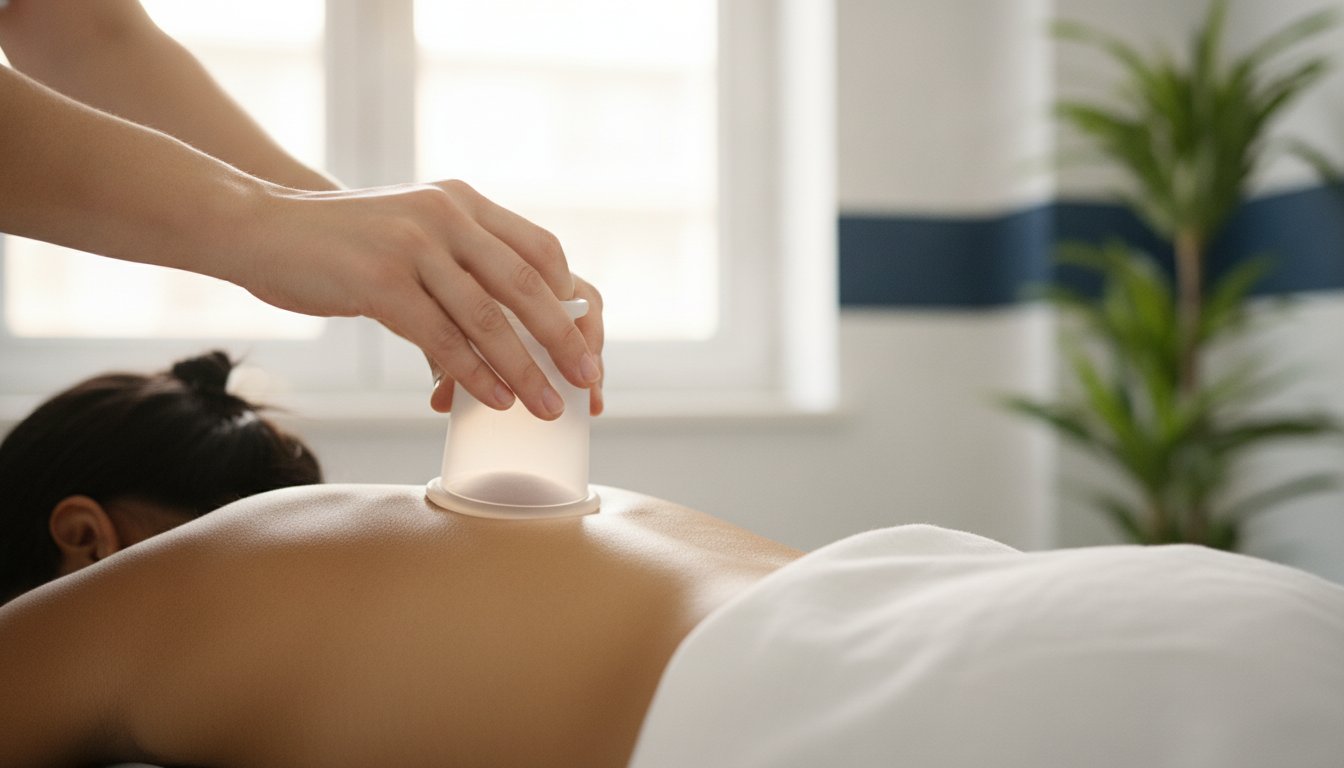
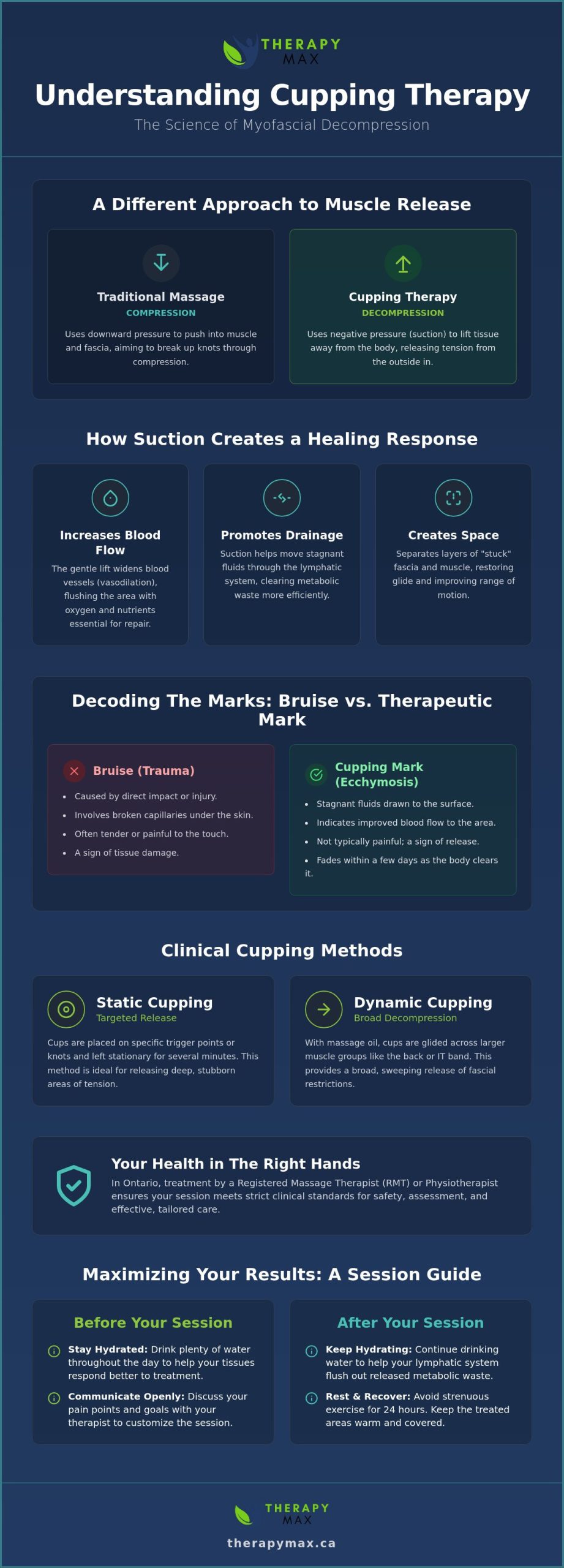
While traditional massage therapy relies on compression to push into the muscles, cupping therapy utilizes negative pressure to pull the tissue away from the body. This technique is formally known as myofascial decompression. It involves placing specialized silicone or mechanical cups on the skin to create a vacuum. This vacuum gently lifts the skin, fascia, and superficial muscle layers upward. By reversing the direction of pressure, we can access layers of tension that often remain compressed during a standard deep tissue session.
This mechanical lift triggers several beneficial physiological responses within your body. First, it causes vasodilation, which is the widening of blood vessels. This process increases microcirculation to the treated area, bringing in fresh oxygen and nutrients essential for cellular repair. Additionally, the suction encourages lymphatic drainage by moving stagnant fluids through the system. This helps your body process metabolic waste more efficiently, which is a key component of physical recovery.
Many patients feel hesitant about the circular marks left behind after a session. It’s vital to understand that these marks are not traumatic bruises. In a clinical setting, we recognize this as ecchymosis. Unlike a bruise caused by an impact or injury, these marks represent the release of stagnant blood and cellular debris from deep within the tissue. They serve as a visual indicator of the decompression taking place. These marks typically fade within a few days as your lymphatic system clears the area, leaving the underlying tissue more supple.
How Suction Creates Healing Space
The primary benefit of suction is the creation of physical space between the layers of soft tissue. When fascia becomes tight or “stuck” to the underlying muscle, it restricts movement and causes persistent discomfort. The vacuum created by the cup separates these layers, allowing for better glide and nutrient exchange. This process also communicates with the nervous system. The unique sensation of lifting often interrupts chronic pain signals, helping you realize immediate relief and a greater range of motion after your session.
The Role of the Registered Massage Therapist (RMT)
Safety is the highest priority at our Mississauga centre. In Ontario, having a Registered Massage Therapist (RMT) or Physiotherapist perform your treatment ensures that the practice meets strict clinical standards. Your session begins with a thorough assessment to identify any contraindications, such as specific skin conditions or circulatory issues. This professional oversight protects your health and ensures that the technique is tailored to your specific recovery goals in a controlled, medical environment. Using a regulated professional ensures that the pressure is adjusted correctly for your comfort and therapeutic needs.
Types of Cupping Methods: Finding the Right Fit for Your Recovery
Selecting the right approach is essential for achieving your recovery goals. While you might have seen various methods online, clinical cupping therapy primarily focuses on dry cupping. This method uses mechanical suction to create a vacuum without the need for incisions. It stands in contrast to wet cupping, which is a traditional technique involving bloodletting that we don’t perform in a professional massage setting. Current evidence for cupping suggests it’s a valuable tool for managing musculoskeletal pain when used as a dry, non-invasive modality.
Practitioners use several materials to create this suction. Traditional glass cups require heat to create a vacuum, but modern clinical environments often prefer plastic pump sets or medical-grade silicone. These tools allow the therapist to adjust the suction level with precision. When combined with massage oil, these cups can perform “gliding” or “running” cupping. This involves moving the cup across the skin to address large muscle groups like the back or thighs. It provides a deep, sweeping release that feels similar to a reverse deep tissue massage.
Static vs. Dynamic Cupping
Static cupping involves placing the cups on specific trigger points or deep-seated knots and leaving them for several minutes. This targets stubborn areas where the tissue is particularly dense. In contrast, dynamic cupping involves the patient moving their limb while the cup is attached. This active movement helps stretch the fascia from the inside out. It’s an excellent choice for improving your overall range of motion and breaking up adhesions that restrict your daily activities.
Modern Silicone Cupping for Sensitive Areas
Silicone cups are particularly effective for contoured parts of the body like the neck, shoulders, and joints. Because they’re flexible, they maintain a seal on uneven surfaces where hard plastic or glass might fail. This material allows for a gentler, more controlled suction. It’s a perfect starting point if you’re new to the treatment or have sensitive skin. It’s also a highly effective addition to sports massage in Mississauga, as it helps athletes recover from repetitive strain without the intensity of traditional manual pressure.
If you’re unsure which method suits your needs, a professional assessment at our clinic can help determine the best path for your recovery.
Cupping for Specific Conditions: When to Choose Suction Over Pressure
While manual pressure is effective for many musculoskeletal issues, certain conditions respond better to the lifting action of cupping therapy. For example, the Iliotibial (IT) band is a thick layer of connective tissue that often feels tender when pressed. Using suction to lift this tissue away from the femur can provide relief that traditional deep tissue work might struggle to achieve. This approach is also superior for addressing scar tissue from old injuries. By pulling on the adhesions, we help break down the restrictive fibers that limit your mobility and cause chronic discomfort.
Beyond muscle tightness, this treatment offers unique benefits for your systemic health. The negative pressure helps clear lymphatic congestion by encouraging the movement of fluid through the vessels. This is particularly useful for reducing localized swelling or edema. Some patients also find relief for respiratory health. By applying cups to the thoracic area, we can help loosen the fascia around the rib cage. This allows for deeper, more comfortable breathing, which is often restricted during periods of high stress or following respiratory illness.
For individuals seeking specialized bodywork that incorporates these systemic benefits, Body Therapist offers tailored remedial massage and body-contouring services designed to optimize physical well-being.
Relief for Chronic Back and Neck Pain
Many office workers in Mississauga experience persistent stiffness in their upper back and neck from prolonged desk work. Standard massage techniques focus on pushing into the muscle, but cupping therapy targets the deep paraspinal muscles by pulling them upward. This decompression creates space around the nerves in the cervical spine area, which helps you realize long-term relief from tension. It is a highly effective tool for managing tension headaches. These headaches are often the result of extreme tightness in the upper trapezius muscles, and lifting that tissue provides a release that manual pressure cannot always replicate. For patients who want to complement this decompression work with thermal therapy, hot stone massage in Mississauga offers an excellent follow-up treatment, using heated basalt stones to further soften stubborn soft tissue and improve circulation in the neck and back.
Cupping for Athletic Recovery and Injury
Athletes often turn to this treatment to manage the buildup of metabolic waste after high-intensity training sessions. The increased microcirculation helps flush the system and reduces post-workout soreness, allowing for a faster return to training. This technique is a valuable component of bursitis hip therapy, as it helps reduce the pressure on inflamed bursa sacs by loosening the surrounding soft tissue. When we integrate this service with a swedish massage in Mississauga, it creates a balanced treatment plan. This combination addresses both systemic relaxation and localized repair, ensuring your body recovers with physical harmony and improved vitality.
How to Prepare and Care for Your Skin: A Step-by-Step Guide
The success of your cupping therapy session depends significantly on how you treat your body before and after the cups are applied. Proper preparation ensures that your soft tissue is receptive to the treatment, while diligent aftercare helps your lymphatic system process the metabolic waste released during the decompression process. Following a structured protocol allows you to maximize the healing benefits while ensuring your skin remains healthy and comfortable throughout the recovery phase.
Before Your Session: Setting the Stage for Success
Preparation begins 24 hours before you arrive at our Mississauga centre. Proper hydration is the most critical factor. When your fascia is well-hydrated, it’s more pliable and responds more effectively to the suction. Aim to drink at least two litres of water on the day leading up to your appointment. You should also avoid eating a heavy meal within two hours of your session. Because the treatment stimulates blood flow, a full stomach can lead to digestive discomfort or a feeling of lethargy during the process.
Choose your clothing carefully. Wear loose-fitting, comfortable items that allow your therapist easy access to the areas requiring treatment. During the initial assessment, be prepared to share your health history and current pain levels. This communication allows your practitioner to realize the best suction intensity for your specific needs, ensuring the session is both safe and effective.
The 48-Hour Recovery Protocol
Once the cups are removed, your body enters a state of active repair. For the first 48 hours, it’s essential to keep the treated areas covered and warm. You must avoid exposure to cold drafts, air conditioning, or winter air. In clinical terms, the “pores” of the tissue are open, and cold can cause the muscles to contract sharply, which counteracts the relaxation we’ve achieved. If you’re concerned about the aesthetic of the circular marks, wearing high-neck shirts or long sleeves is the simplest way to hide them while they fade naturally over the next few days.
Your activity levels should remain light for at least 24 to 48 hours. While it might be tempting to return to the gym, high-intensity exercise can increase inflammation in the treated areas. Give your body a chance to settle. Additionally, follow these specific hygiene guidelines to protect your skin:
- Do continue to drink plenty of water to help flush released toxins.
- Do apply a gentle, scent-free moisturizer or arnica cream if the skin feels tight.
- Don’t use hot tubs, saunas, or chlorinated pools for 24 hours to prevent irritation.
- Don’t take a cold shower immediately after your session; use lukewarm water instead.
If you’re ready to start your journey toward better mobility and reduced pain, book your cupping therapy session with our expert team at TherapyMax today.
Integrated Care at TherapyMax: Combining Cupping with Physiotherapy
Our approach at TherapyMax is built on nurturing expertise. We believe effective recovery requires a multi-modal strategy that addresses the source of your pain rather than just the surface symptoms. By housing Registered Massage Therapists, Physiotherapists, and Manual Osteopaths under one roof in our Mississauga centre, we provide a seamless experience. This integration ensures your recovery plan is consistent, evidence-based, and focused on restoring your physical harmony.
Using cupping therapy before other clinical treatments creates a more receptive environment for manual work. If your tissues are in a state of high tension or chronic guarding, specific adjustments can be difficult to perform comfortably. This technique softens the fascia and improves tissue pliability, making it easier for a Physiotherapist or Osteopath to achieve deep results during your session. This logical sequence helps you realize your recovery goals more efficiently.
Cupping as a Gateway to Better Movement
Reduced fascial tension is a fundamental requirement for functional performance. When your connective tissue is restricted, your range of motion suffers, and even basic rehab movements can become painful. For an athlete, this restriction makes physiotherapy exercises harder to perform with correct form. By utilizing this technique to release adhesions, we act as a gateway to better movement. You can then approach your strengthening exercises with greater ease and less discomfort, which is vital for long-term injury prevention.
For those interested in how specialized clinics integrate these manual techniques with athletic performance goals, you can visit Functional Movement Physio to learn more about expert sports injury rehabilitation.
Booking Your Consultation in Meadowvale
Your journey toward a pain-free life begins with a detailed clinical assessment at our Meadowvale clinic. During your first visit, we take the time to understand your health history and current physical challenges. Our professionals prioritize your comfort by carefully customizing the suction strength of the cups to your tolerance level. We encourage you to take this first step toward better health. Our team is here to provide the steady, authoritative guidance and compassionate care needed to help your body reach its peak physical potential.
Restore Your Physical Harmony with Expert Care
You now understand how cupping therapy provides a unique solution for chronic pain by decompressing the fascia and improving microcirculation. This clinical approach offers relief for stubborn conditions like IT band tightness and neck stiffness that traditional massage alone might not resolve. By choosing a regulated environment, you ensure that your recovery is managed with the highest standards of safety and technical precision. This method doesn’t just treat surface symptoms; it prepares your body for deeper healing and more effective movement.
Our professional Registered Massage Therapists and Physiotherapists are dedicated to identifying the root cause of your discomfort through personalized treatment plans tailored to your specific needs. Centrally located in the heart of Meadowvale, our clinic serves as a safe harbour where technical expertise meets compassionate care. We prioritize your long-term well-being over quick fixes, ensuring every session contributes to your overall health and vitality. Our methodical approach ensures that you receive the most effective care for your unique physical challenges.
Book your cupping therapy session at TherapyMax Mississauga today and take the first step toward restoring your physical harmony. We look forward to helping you realize a life free from persistent muscle tension and restricted mobility.
Frequently Asked Questions
Does cupping therapy hurt during the procedure?
Cupping therapy should not be painful, although you will feel a distinct pulling or stretching sensation as the vacuum lifts your soft tissue. Most patients describe this as a deep, comfortable release of tension rather than a sharp or distressing feeling. If the suction feels too intense at any point, your therapist can immediately adjust the pressure to ensure your comfort. The goal is to induce relaxation and healing without causing any distress to your nervous system.
How long do the circular marks from cupping last?
The circular marks typically last between three and seven days, depending on your body’s individual rate of lymphatic drainage. These marks are not permanent and will gradually fade from a deep reddish-purple to a light yellow before disappearing completely. Staying well-hydrated after your session helps your system clear the stagnant fluids more efficiently. Most patients find the marks are entirely gone within a week of their treatment at our Meadowvale centre.
Is cupping therapy covered by my insurance in Ontario?
Yes, cupping therapy is typically covered by extended health insurance in Ontario when it is performed by a Registered Massage Therapist (RMT) or Physiotherapist. Since our practitioners hold these professional designations, your treatment usually falls under your standard massage or physiotherapy benefits. We recommend checking with your specific insurance provider to confirm your coverage details and realize any requirements for a physician’s referral before you book your first visit.
How many sessions of cupping will I need to see results?
While many patients realize immediate relief after a single session, a series of three to five appointments is often recommended for chronic conditions. This allows your therapist to address deeper layers of fascial restriction and reinforce the healing process. Your practitioner will develop a personalized recovery plan during your initial assessment to determine the exact frequency needed to achieve your specific health and mobility goals in a methodical way.
Are there any side effects or risks I should be aware of?
The most common side effect is the temporary circular marking on the skin known as ecchymosis. You might also experience mild muscle soreness or lightheadedness immediately following the session as your circulation increases and your body begins to process metabolic waste. These effects are generally mild and resolve within 24 to 48 hours. Our therapists conduct a thorough assessment to minimize risks and ensure that the technique is applied safely for your body.
Can I get cupping if I have a skin condition or take blood thinners?
We generally advise against this treatment if you have active skin conditions like eczema or psoriasis in the target area, or if you take blood-thinning medications. These factors can increase the risk of skin irritation or excessive bruising. It’s essential to disclose your full medical history during your consultation. Our experts will evaluate your condition to determine if alternative therapies, such as a gentle Swedish massage, are a safer path for your recovery. For those who prefer the convenience of such professional wellness treatments in a mobile setting, The Outcall Spa provides expert care delivered directly to your home or hotel in Singapore.
What is the difference between fire cupping and suction cupping?
Fire cupping uses a flame to remove oxygen from a glass cup to create a vacuum, whereas suction cupping utilizes mechanical pumps or flexible silicone. At our Mississauga centre, we primarily use modern suction and silicone methods. These tools allow for more precise control over the pressure levels and are often perceived as a safer, more clinical option for patients who are new to the practice or have sensitive skin.
Is cupping therapy safe during pregnancy?
Cupping is generally considered safe during pregnancy when performed by a trained professional who avoids the abdomen and lower back areas. It can be particularly helpful for relieving the upper back and shoulder tension that often accompanies postural changes during the second and third trimesters. However, we always require a thorough initial assessment to ensure the treatment is appropriate for your specific stage of pregnancy and your overall sense of peace.
